


British Boer War and First World War Medal Group – Company Sergeant Major Robert Alfred Wills, Coldstream Guards
Queen’s South Africa Medal, 2 clasps, Cape Colony, South Africa 1902 – 1017 SERJT: R. A. WILLS. COLDSTREAM GUARDS.
1914 Star (with original clasp which is loose) – 1017 C.Q.M.SJT: R.A. WILLS. C.GDS.
British War Medal – 1017 W.O.CL.2. R. A. WILLS. C. GDS.
Victory Medal – 1017 W.O.CL.2. R. A. WILLS. C. GDS.
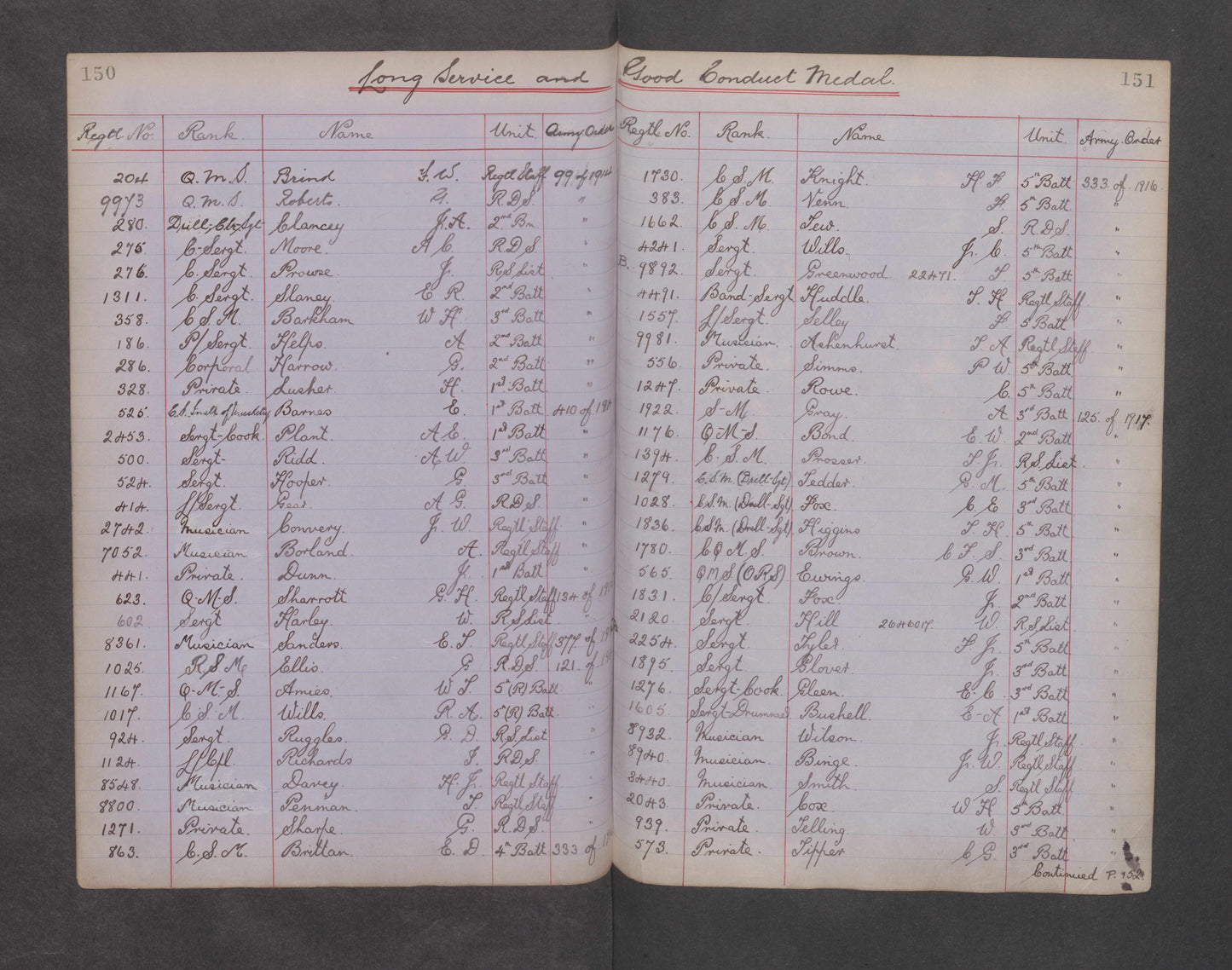
Long Service and Good Conduct Medal – 1017 C.S.MJR: R. A. WILLS. C.GDS.
Robert Alfred Wills was born in Aston, Birmingham, Warwickshire, and was employed as a clerk prior to his military service. He enlisted into the Coldstream Guards at London on 16 August 1897, aged 20 years and six months, beginning what would become a notably long and steady career in the British Army.
His early service included active overseas duty during the South African War (Boer War). Between 16 January 1902 and 6 October 1902, Wills served in South Africa and was awarded the Queen’s South Africa Medal, with clasps Cape Colony and South Africa 1902, confirming his presence during the later stages of the campaign as British forces conducted widespread operations to bring the war to a close.
By the outbreak of the Great War, Wills was a highly experienced Coldstream Guardsman. He was mobilised immediately and proceeded overseas with the British Expeditionary Force, arriving in France on 12 August 1914, only days after the opening of hostilities. At this time he was serving in the senior non-commissioned rank of Company Quartermaster Sergeant (CQMS), a position of considerable responsibility involving logistics, supply, and the day-to-day administration essential to keeping an infantry company effective in the field.
His arrival placed him among the early professional soldiers who formed the backbone of the pre-war Regular Army during the critical opening phase of the conflict. He served continuously in France until 13 December 1915, a period encompassing the retreat from Mons, the Marne, the Aisne, First Ypres, and the subsequent establishment of trench warfare on the Western Front. Though his duties were primarily administrative and logistical, the role of a CQMS during this period was both demanding and hazardous, requiring constant movement under fire to maintain supply and organisation at company level.
In recognition of his conduct and service, Robert Alfred Wills was awarded the Long Service and Good Conduct Medal in 1916, reflecting not only his length of service but also a record of discipline and reliability maintained through both peace and war.
Following the Armistice, his continued value to the regiment was formally acknowledged. According to two separate Coldstream Guards awards books, he was “Mentioned for Valuable Services rendered other than in the field” on 28 August 1919. Such mentions were typically awarded for sustained and effective service in administrative, organisational, or instructional roles during or immediately after the war, and indicate that his contribution extended beyond frontline service into the vital work of maintaining the regiment during demobilisation and post-war reorganisation.
Robert Alfred Wills remained with the Coldstream Guards until 30 April 1922, when he finally left the regiment, bringing to a close nearly twenty-five years of service. His career spanned the late Victorian Army, the Boer War, the entirety of the First World War period, and the difficult transitional years that followed, marking him out as a long-serving professional soldier whose experience bridged two very different eras of British military history.
PLEASE NOTE: All research will be sent to the buyer via email. I am unable to provide printed copies, as I do not have access to a printer.
AJMS Medals